

Knee Pain Treatment
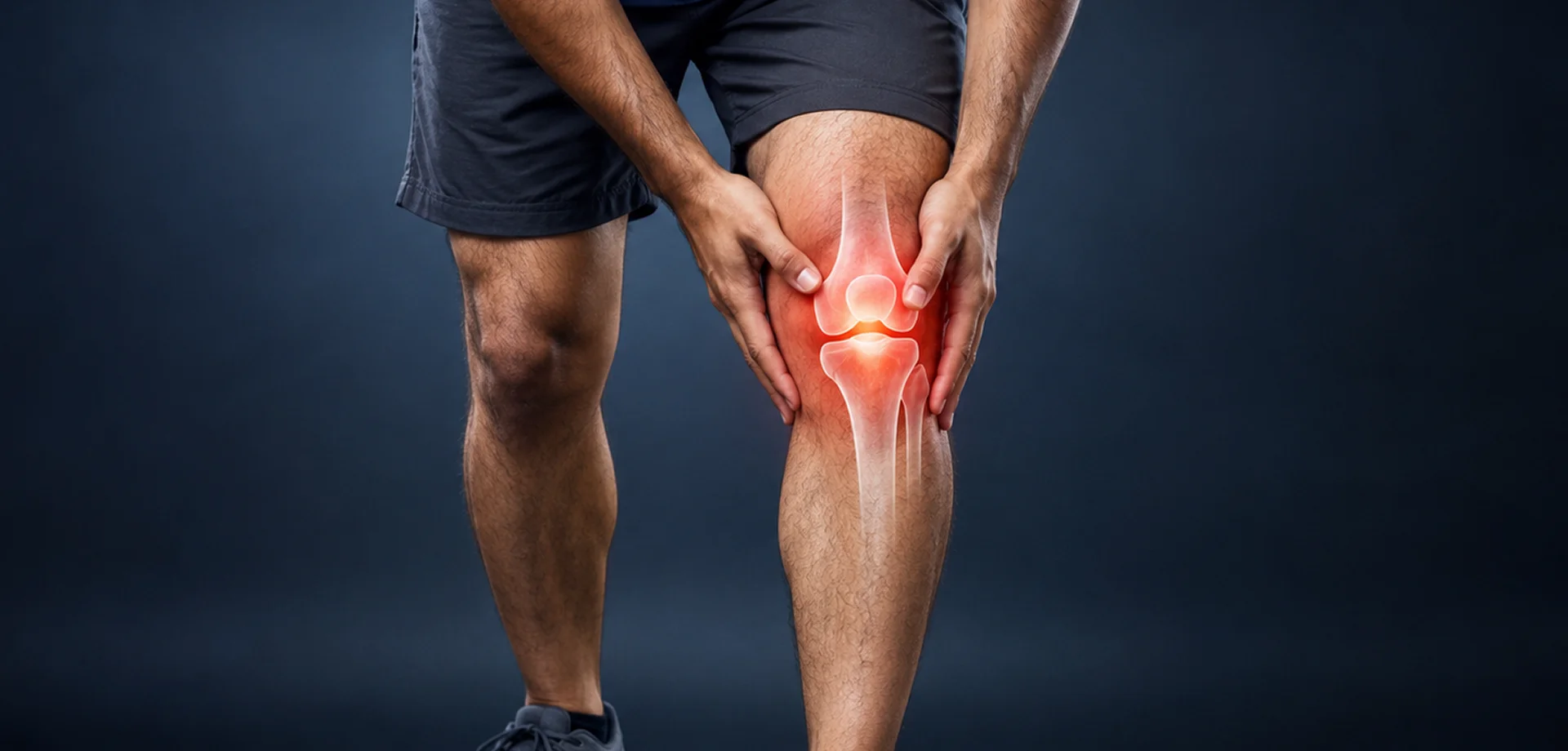
Knee Treatment in Chennai at Jyoti Hospital
Knee pain that limits walking, stairs, or sleep needs a proper diagnosis, not just a painkiller. At Jyoti Hospital, our orthopaedic team provides knee treatment for injuries, arthritis and degenerative joint problems, from non-surgical care and physiotherapy to arthroscopic surgery and knee replacement. The right option depends on the cause and severity of your condition. Consulting a knee specialist early helps identify the cause and choose the treatment that suits you.
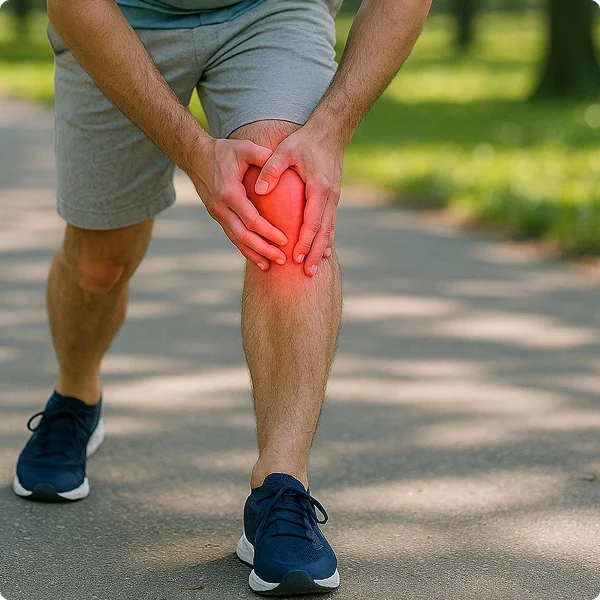
Common Causes of Knee Pain
- Osteoarthritis and age-related wear of the joint
- Sports injuries and sudden twists or falls
- Ligament injuries such as ACL, PCL, MCL or LCL tears
- Cartilage damage
- Overuse or repetitive strain
- Excess body weight placing stress on the joint
- Inflammatory conditions such as rheumatoid arthritis or gout
- Bursitis and tendon inflammation
- Fractures or previous joint injury
Common Knee Conditions We Treat
- Knee joint pain, acute and chronic
- Knee arthritis, including rheumatoid arthritis
- Degenerative knee conditions
- Sports injuries
- Ligament injuries requiring arthroscopic reconstruction
- Cartilage damage requiring restoration
- Fractures around the knee
- Advanced joint damage that may need knee replacement
When Should You Consult a Knee Specialist?
Consider seeing a knee pain doctor in Chennai if you notice:
- Pain that lasts more than a few days or keeps returning
- Swelling, warmth or redness around the joint
- Stiffness, especially in the morning or after sitting
- Difficulty walking, climbing stairs or bending the knee
- Clicking, locking or a feeling that the knee gives way
- Pain at night or while resting
- No improvement with rest and home care
Seek urgent medical attention for severe swelling with fever, a hot and red knee, visible deformity, or inability to bear weight after an injury.
Knee Treatment Options Available
Knee joint treatment at Jyoti Hospital is decided only after the cause of your pain is confirmed. The choice depends on the diagnosis, how advanced the problem is, and your age, activity level, and overall health. Non-surgical options are usually tried first; surgery is recommended when they cannot adequately control the problem.
Non-surgical knee treatment: Joint pain management with medication, activity modification and weight control, suited to early arthritis and mild to moderate pain.
Physiotherapy: Supervised exercises restore strength and movement, both as primary treatment and after surgery.
Knee arthritis treatment: Aims to relieve pain and keep the joint working for as long as possible; surgery is considered only when the joint is badly damaged
Knee arthroscopy: Keyhole surgery through small incisions to diagnose and treat joint problems, with minimal scarring, quicker recovery and a shorter hospital stay.
Ligament reconstruction: Arthroscopic reconstruction of torn ligaments, such as the ACL, to restore stability, commonly needed after sports injuri
Cartilage restoration: Treats damaged cartilage to reduce pain and protect the joint.
Fracture treatment: Surgical or non-surgical care for fractures around the knee, depending on the injury.
Knee replacement: Partial or total replacement for advanced joint damage when other treatments no longer provide relief.
How Knee Pain Is Diagnosed
The cause of your knee pain is identified before any treatment is planned. Your assessment follows these steps:
Medical history and symptoms
When the pain began, any injury or fall, and what aggravates it, such as stairs or prolonged walking.
Physical examination
Swelling, tenderness, alignment, range of movement and joint stability are checked.
X-rays
Digital X-rays are advised when indicated, to assess the bones and joints.
MRI or ultrasound
Used only when the examination suggests a ligament, cartilage or soft-tissue problem.
Not every patient needs every test. Your specialist recommends only what is required for an accurate diagnosis, so your knee pain treatment plan is personalized based on your actual condition.
Meet Our Knee & Joint Care Team
Meet our orthopaedic team at Jyoti Hospital to find out what is causing your symptoms and discuss the treatment options suited to you.

Dr. D. Bharani Kumar
MBBS, AFRCSI, D. Ortho. Eng (UK), FRCS (Trauma & Ortho)Consultant, Orthopaedic Surgeon,
Trauma, Joint Replacement & Arthroscopy Surgeon (Knee & Shoulder),
Reg. No: 56310,
Mobile No: 90426 45678

Dr. Jebaraj
MBBS, MS, [Ortho]Reg No : 108348

DR. CHARLES SEKAR
MS ORTHOReg No : 106888
FAQ
frequently asked questions
Mild pain from a minor strain may settle with rest and care. Pain that persists, keeps returning or comes with swelling should be assessed by a specialist.
Avoid high-impact activities such as running and jumping, deep squatting, prolonged kneeling, and repeated stair climbing until your doctor advises otherwise.
Yes. Extra weight increases the load on the knee with every step, which can speed up cartilage wear and worsen arthritis symptoms.
Gentle, moderate walking often helps keep the joint mobile and muscles strong. If walking increases your pain or swelling, stop and consult your doctor.
Maintain a healthy weight, strengthen your leg muscles, warm up before exercise, wear supportive footwear, and avoid sudden overexertion.
It can, particularly if the underlying cause, such as arthritis or weak muscles, is not managed. Following your exercise and lifestyle plan lowers the risk.