

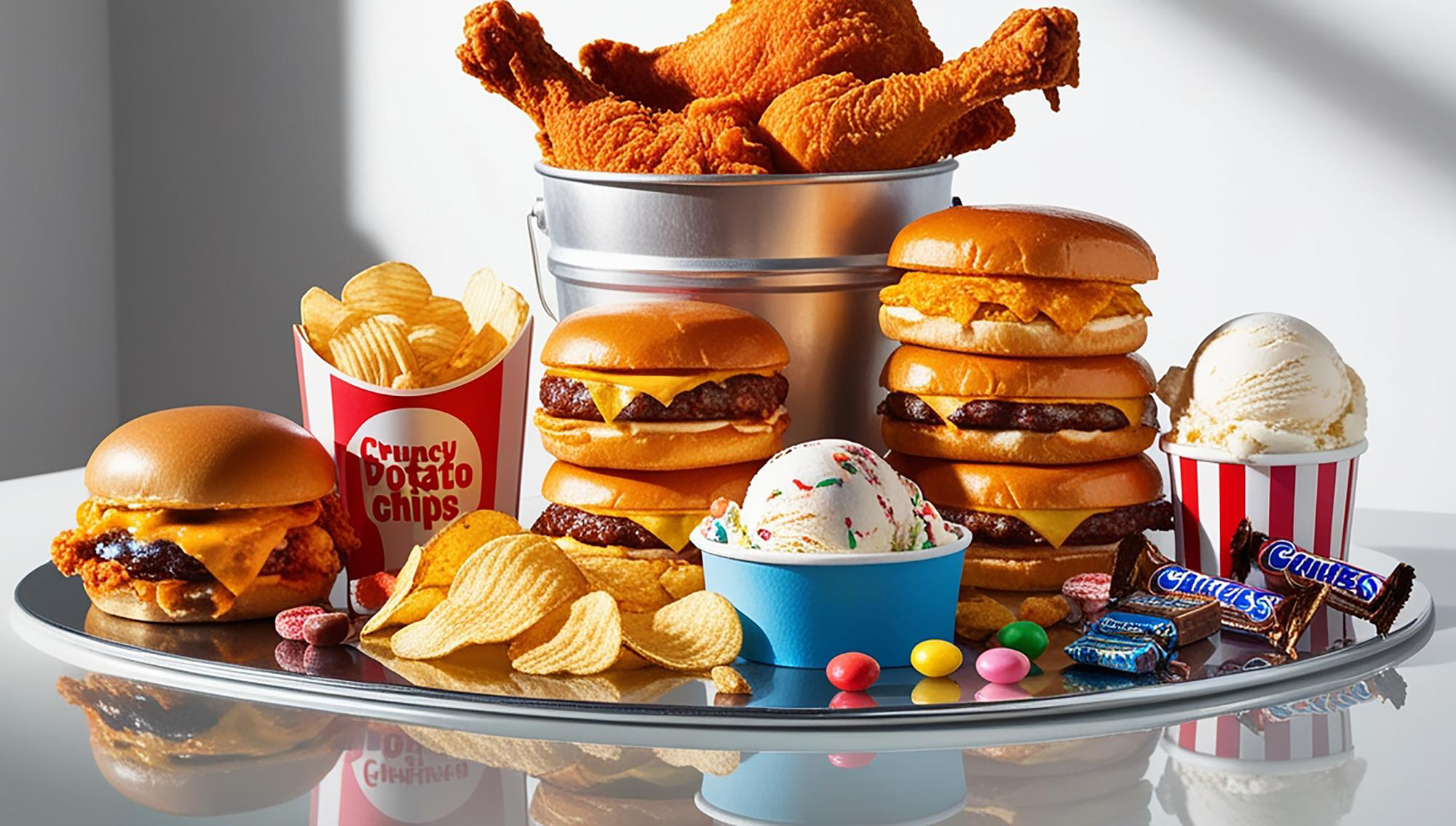
What Happens After You Eat Fatty Food?
Beyond just chewing, digestion shifts into high gear once fatty foods enter the scene. Most think the stomach does all the work - yet that belief misses key players behind the scenes. Instead, processing oily meals demands teamwork, quietly orchestrated by organs often overlooked. The liver steps up first, producing bile as a critical response. Stored nearby, the gallbladder releases this fluid precisely when needed. Then, within the small intestine, breakdown accelerates through their combined effort. Without such coordination, fat metabolism would stall almost immediately.
Built into each person, this inner system reveals the way fat gets managed inside you - showing just how much smooth digestion depends on a well-functioning bile pathway. Though often overlooked, the flow of bile shapes how meals get broken down from one day to the next. For some, the process stays invisible for years. Others notice changes only when discomfort starts surfacing after certain meals. A fried snack here, a rich dinner there - patterns quietly begin to emerge.
The Liver Makes Bile
Bile often gets wrongly linked to the gallbladder, though it forms elsewhere entirely. Far from making bile, the gallbladder only stores what comes from another source. That source - the liver - handles production of this key digestive substance on its own.
Bile flows without pause, made deep within the organ we call the liver - roughly half a liter each day, sometimes more. From there, it moves slowly through tiny pathways, branching like roots, guiding the liquid forward. This route leads straight into the upper part of the gut, just past the stomach’s exit, where digestion shifts form.
Most of the time, nobody notices this process happening. Quiet systems tend to stay unnoticed while they work well. Yet digestion depends heavily on these hidden rhythms. Meals rich in fat ask more from this pathway than lighter foods do. The body responds quickly, though not always perfectly.
The Gallbladder Works Like a Concentrator
Deep inside the digestive layout, bile moves from liver to gut - yet one structure often puzzles observers. Branching subtly from the main duct, a compact sac takes form. This reservoir shrinks liquid with precision over time. Efficiency defines its role far beyond mere holding space.
When raw bile moves from the liver toward the gallbladder, that small organ starts pulling out extra moisture. Because it strips away water, what remains becomes thick - a tightly packed blend rich in bile salts and acids. Since these substances act directly on dietary fats, they make digestion possible. Though tiny, the gallbladder plays a key role by preparing this potent solution.
Think of it less as a creator and more as a manager waiting for the right moment. Nothing dramatic happens until fatty foods arrive. Then suddenly, timing matters. Storage turns into action.
The Digestive Process Triggered by Fats
Once swallowed, dense, oily meals start digestion in the stomach before gradually moving into the duodenum. Fat reaching this part of the small bowel sends a swift hormone message directly to the gallbladder.
When the signal arrives, the gallbladder begins to contract. Muscle layers tighten in a coordinated way, pushing concentrated bile into nearby ducts. Slowly at first, then more steadily, the stored liquid enters the digestive tract exactly where it is needed most.
Bile acids and salts meet fatty foods, turning thick globules into fine droplets. In some ways, they behave similarly to soap breaking apart grease. Tiny particles form because of this chemical shift, allowing digestive enzymes from the pancreas to work far more efficiently. Without this breakdown, nutrients from fats - including certain vitamins - struggle to move into the bloodstream.
Some fats digest quickly. Others linger longer, particularly meals loaded with oil, butter, fried foods, or processed ingredients. The heavier the meal becomes, the harder these digestive systems often work behind the scenes.
When the System Hits Glitches
Frequent heavy meals demand stronger contractions from the gallbladder, so existing physical problems inside it often trigger noticeable symptoms afterward. Though hidden before, these flaws tend to emerge more clearly once digestion begins.
Occasionally, inflammation of the gallbladder - or hardened deposits forming inside - disrupts normal function after eating. A sudden spasm against a trapped stone may ignite piercing stomach discomfort, queasiness, bloating, or pressure beneath the ribs. This episode, widely known as a gallbladder attack, happens when bile flow gets interrupted during digestion.
Sometimes symptoms feel vague rather than dramatic. Fullness lasts too long. Nausea appears unexpectedly. Rich meals stop feeling worth it because discomfort follows almost automatically. Certain individuals begin avoiding oily foods altogether without realizing why their eating habits changed.
Patterns matter here. Trouble showing up repeatedly after fatty meals rarely happens by accident.
Why Fatty Meals Feel Different for Some People
Not everyone reacts to fatty foods the same way. Some finish rich meals without consequence, while others notice cramps, heaviness, or sudden bathroom urgency shortly afterward. Existing gallstones, sluggish bile movement, digestive sensitivity, or inflammation often explain these differences.
Age occasionally plays a role too. Hormonal shifts, weight fluctuations, and certain medications can quietly alter how bile moves. What once felt harmless at twenty may feel noticeably different years later. The body adapts - though not always smoothly.
Conclusion
Heavy meals rely on precise timing between substances released by the liver and gallbladder. Without smooth function across this pathway, swelling, slowed bile flow, or stones may trigger repeated digestive discomfort. Sharp pain above the abdomen, bloating, nausea, or uneasy fullness after rich foods sometimes point toward a deeper issue rather than simple indigestion.
When these signs return often, getting the bile system checked becomes important. At Jyoti Hospital specialists assess digestive concerns through detailed scans, careful evaluation, and treatment plans shaped around how symptoms actually unfold - helping people return to eating comfortably without recurring disruption.