

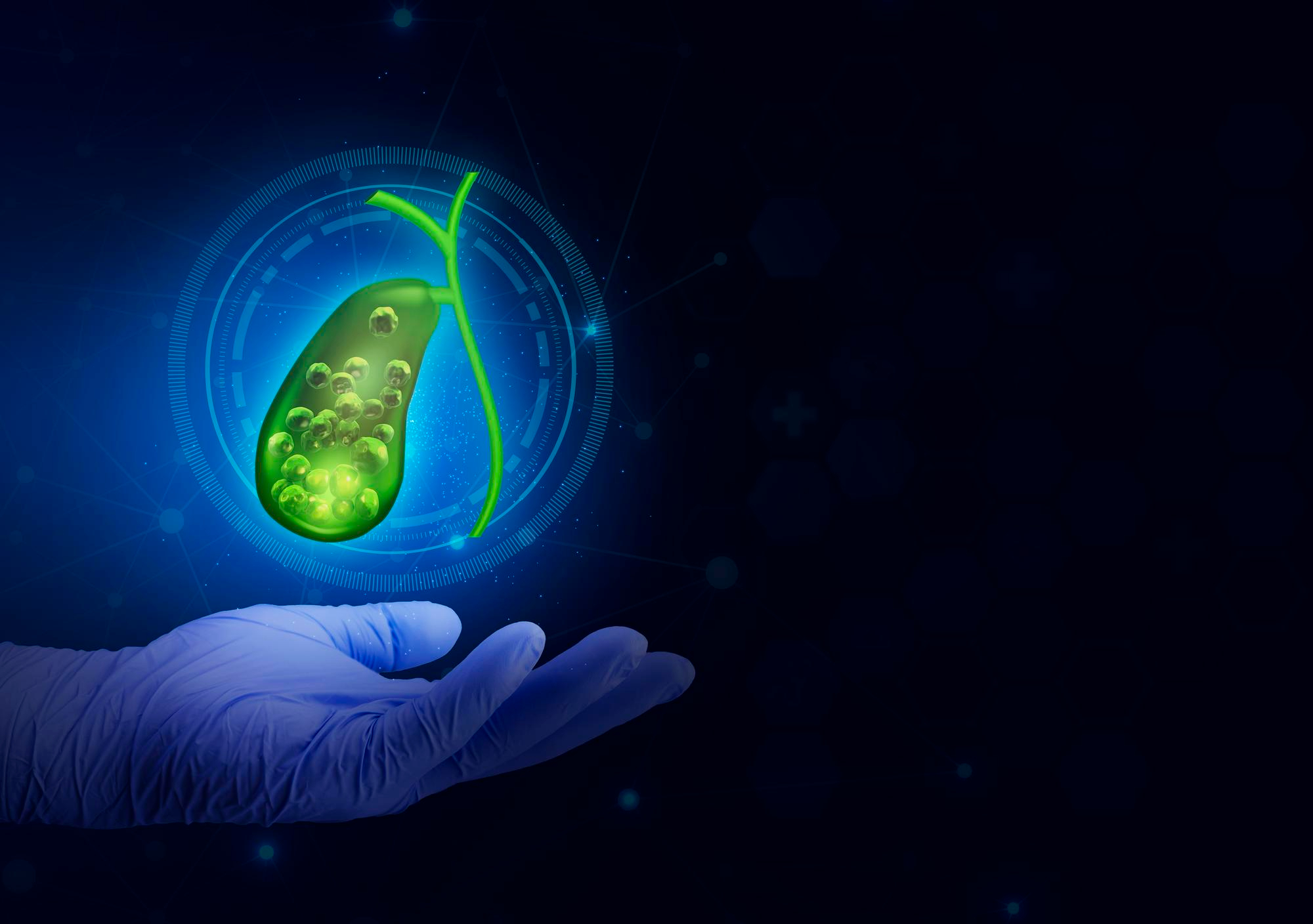
Removing Gallbladder Stones Without Removing the Gallbladder?
Most people hear “gallstones” and quickly wonder the same thing. When pain strikes, why not remove just the stones while keeping the gallbladder intact? On the surface, it makes sense. One faulty piece suggests targeted repair, not full removal. But medicine seldom follows that path - because the issue isn’t really the stones, but the conditions allowing them to form at all.
Most times, gallstones do not start the issue at hand. Instead, they show that a change has happened within the gallbladder long before. When this process kicks in, the system keeps looping through similar stages. Removing the stones alone does not fix what caused them in the first place. Because of this, treatment often looks deeper than just clearing physical blockages.
The Hidden Cause of Gallstone Formation
Bile storage is handled by a modest organ hidden under the liver, one most ignore until trouble appears. Its job? Hold digestive fluid, adjust consistency just enough, then send it onward when fats arrive in the gut. When things go smoothly, nobody notices a thing.
Problems start if the gallbladder does not fully release its contents.
Occasionally, swelling occurs. At times, the organ slows down, failing to contract properly. If this takes place, bile remains longer than it should. Rather than moving steadily, the digestive liquid stays trapped within the gallbladder, becoming more dense as hours pass. Components like cholesterol, salts, and pigments slowly clump together.
Change rarely strikes suddenly, one reason many miss initial red flags.
At first, just a few specks appear. As days pass, they link together through quiet shifts. Gradually, these joined bits grow firmer. Eventually, what was once dust becomes solid rock.
Beneath the surface, trouble often persists even when stones vanish. What shows up on scans isn’t always the full picture - other signs linger unnoticed. Function can remain weak long after surgery steps in. Pressure builds again without clear warning. A quiet pattern repeats itself behind normal appearances.
Occasionally, the body responds by reshaping its inner layout. Thickened linings emerge over time. Inflammation appears now and then without warning. The way food moves through shifts subtly each day. After eating greasy dishes, certain people detect a sore spot beneath the ribcage; meanwhile, others carry an odd fullness with no clear source. Problems stay hidden for stretches of days - then return sharply out of nowhere.
Removing Just the Stones Usually Doesn’t Fix It
At first glance, taking out only the stones seems straightforward. The gallbladder gets opened, the obstruction removed, then closed again - procedure done. Yet each step hides complexity beneath a tidy outline. What looks like a quick fix often unfolds differently under the skin.
Biology tends to resist such tidy arrangements. Still, it unfolds on its own terms.
Most of the time, the gallbladder stays impaired once stones are gone. Though solids clear out, sluggish bile flow tends to persist. Pools of liquid linger despite removal. Cholesterol deposits keep happening quietly. The root cause lingers beneath - so new growths commonly reappear down the line.
Because the pattern keeps returning, relying solely on stones often fails over time.
Most times, holding on to a gallbladder that stays swollen or works weakly raises risks down the line. Sudden pain often comes back, particularly following heavy eating. Without warning, infection might take hold. Occasionally, stones move into adjacent ducts, causing clogs that disrupt how food breaks down or result in yellowing skin. If things worsen, swelling reaches the pancreas, triggering sharp discomfort needing fast treatment.
From this angle, care shifts away from taking out single stones toward stopping the problem from coming back again and again.
The Final Answer in Clinical Care
Lots of people feel uneasy at first when told they need their gallbladder taken out - a surgery called cholecystectomy - especially if stones keep coming back or cause pain. Yet, once it begins, the process often turns out smoother than expected.
Most operations now rely on less intrusive methods. Instead of big incisions, surgeons make small entry points. Tiny cameras assist movement accuracy inside the body. Patients frequently resume normal life quicker than they think possible.
Should pain return often, doctors at Jyoti Hospital take time to review how the gallbladder is working - looking closely at signs, scan results, along with general health patterns. Treatment advice follows only after these factors are weighed. Complications prompt closer scrutiny, shaping what comes next.
One common follow-up thought: does the digestive process shift for good after losing the gallbladder?
Oddly enough, many people find the shift less dramatic than they anticipated.
Bile production remains unchanged after surgery; now it moves straight into the intestines, skipping storage altogether. Without a pause, digestion adapts quickly to this shift. Eating patterns often stay close to what they were. At first, richer meals may cause brief discomfort for certain people - still, most return to normal food routines within time.
Adaptation happens without fanfare. More effectively at times than anyone predicts.
Signs That Need Attention
Most gallstones do not trigger symptoms right away. Years might pass before any issues appear - many never cause harm.
Some make their presence known without hesitation.
Every now and then, pain shows up below the right ribs. Bloating follows eating more often than not. Nausea returns without warning. Oily meals bring unease each time. A fever might rise out of nowhere. Yellow tints appear near the eyes, then spread across the skin. These signs ask for notice - never a wait. When symptoms cycle through again and again, brushing them aside feels natural. Relief between flare-ups tricks the mind into thinking it is gone. Inflammation with a habit of coming back does not fade just because time passes.
Underneath, simplicity can shift into complexity without notice.
Most problems can be avoided when spotted early. Sometimes, timing makes the difference - one well-placed imaging test shows if the gallbladder works properly or if ongoing inflammation has quietly shifted its role. The insight arrives before damage grows.
Conclusion
Most of the time, taking out gallstones while leaving behind a faulty gallbladder means symptoms return later - the root cause stays untouched. While clearing just the stones might seem like a fix early on, problems often reappear if the organ cannot function right anymore.
Most current care shifts away from quick solutions, aiming rather to stop pain and infections from returning. Care at Jyoti Hospital relies on skilled doctors who blend precise testing, scans, and gentle procedures with close attention both before and afterward. This approach guides individuals into steady recovery - breaking repetition without empty promises.