

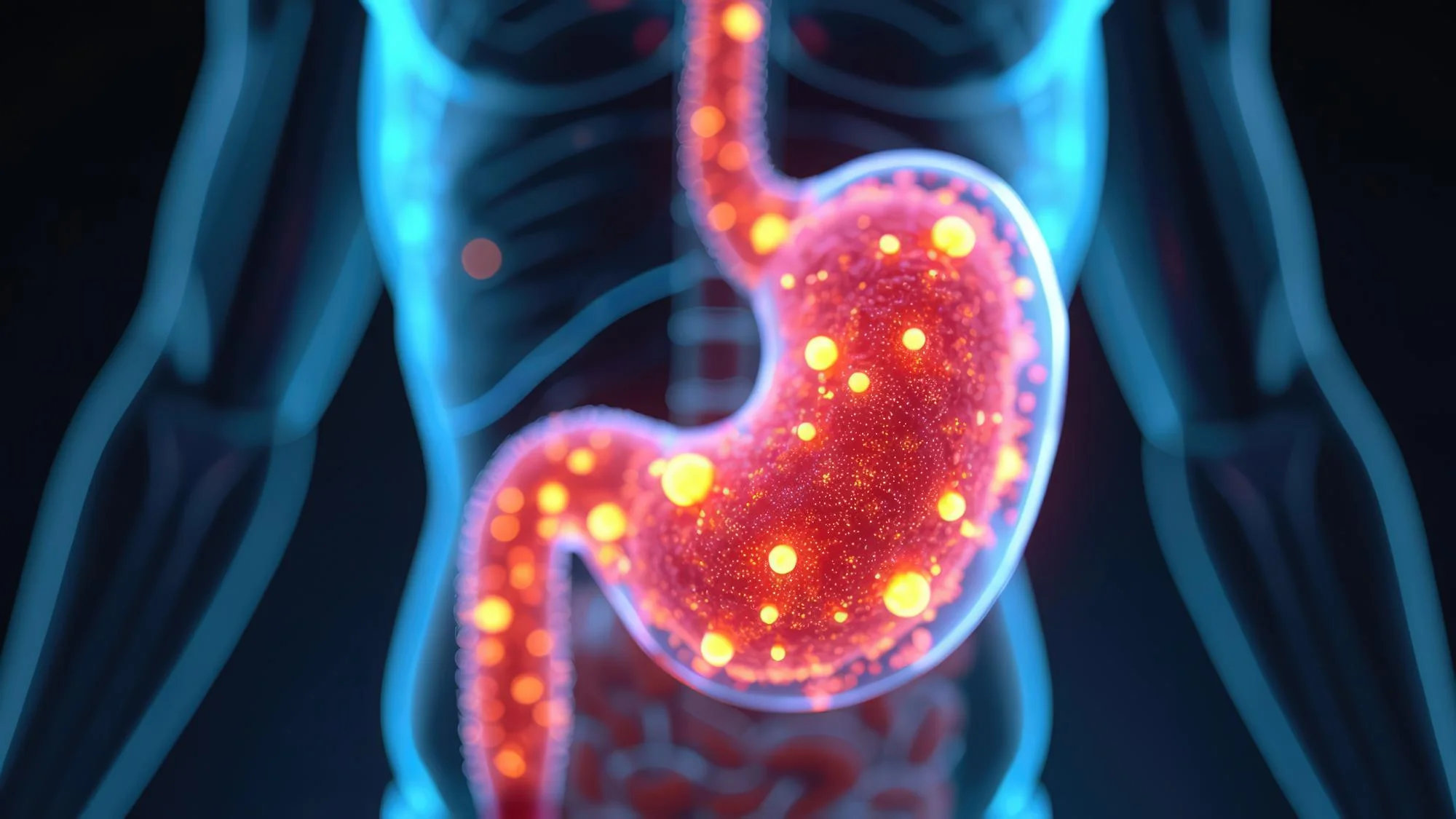
Peptic Ulcer: Hidden Dangers Beyond Stomach Pain
Ever had that dull ache in your upper stomach after a heavy meal and just brushed it off as too much oil or spice? Most of us do. We immediately pop an antacid, feel better for a while, and get back to work without giving it a second thought. But if this kind of pain keeps showing up again and again, it might be something more alarming. It could be a peptic ulcer, and it is not something to take casually. It can sit there for a long time without much fuss, and then one sudden day, cause a huge amount of trouble. If a doctor has ever waved it off as "just gastritis" and you have never been properly checked, this one is worth reading till the end. A peptic ulcer is an open sore that forms the inner lining of the stomach or the upper part of the small intestine, called the duodenum. Normally, the stomach lining is protected by a layer of mucus that shields it from acid. When this protective layer breaks down, acid starts eating into the tissue underneath, and that is when an ulcer forms. There are two main types: Both can cause similar symptoms, though the timing of pain sometimes differs slightly between the two. For years, people believed ulcers were caused mainly by stress and spicy food. While these can worsen symptoms, they are rarely the root cause. The two biggest causes are: Smoking, excessive alcohol use, and untreated stress can all make an existing ulcer worse or slow down healing, but they are usually not the starting point. These numbers make one thing clear. Peptic ulcers are common, largely preventable, and very treatable when caught early. This is where things get tricky. Peptic ulcers do not always announce themselves clearly. Symptoms can be mild, come and go, or feel like everyday indigestion. Some common signs include: Because these symptoms overlap so closely with regular acidity or gas, many people self-medicate with over-the-counter antacids for months without ever getting properly evaluated. This delay is exactly what allows the problem to grow underneath the surface. This is the part that deserves real attention. An untreated peptic ulcer does not just stay put. Over time, it can lead to serious complications, some of which can become life threatening. An ulcer can erode into a blood vessel, causing slow, silent bleeding. This often shows up as dark, tarry stools or vomit that look like coffee grounds. Left unnoticed, it can lead to severe anemia or a sudden drop in blood pressure. In more advanced cases, the ulcer can create a hole right through the stomach or intestinal wall. This is a surgical emergency, usually causing sudden, severe abdominal pain that spreads quickly. Repeated inflammation and scarring near the outlet of the stomach can narrow the passage, making it difficult for food to move through. This can cause persistent vomiting and rapid weight loss. Chronic, long-standing ulcers, especially those linked to H. pylori, are also associated with a higher risk of stomach cancer over time if left completely unmanaged. None of these complications happen overnight. They build up gradually, which is exactly why early diagnosis matters so much. A quick self-check: if any of the following apply to you, it is time to see a doctor rather than reaching for another antacid. Prevention is a lot less complicated than most people expect. A few consistent habits can go a long way in keeping your stomach lining healthy: None of these steps are difficult on their own. The challenge is usually consistency, especially for people with busy schedules who let small symptoms slide for too long. The good news is that peptic ulcers are very treatable once identified correctly. Diagnosis usually involves a combination of a detailed symptom of history, tests for H. pylori, and in many cases, an endoscopy to directly view the stomach lining. Treatment typically includes: With the right treatment, most ulcers heal well within a few weeks. Do not wait for a mild ache to get complicated. If acidity or stomach pain keeps returning, get it looked at properly instead of guessing. Jyoti Hospital in Old Washermanpet, Chennai, provides timely diagnosis and treatment for stomach and digestive issues, so you can find a peptic ulcer early and treat it before it becomes something bigger.What Exactly Is a Peptic Ulcer
The Real Causes, Not Just "Spicy Food"
A Few Facts That Might Surprise You
Why Ulcers Are Often Missed
The Hidden Dangers Nobody Talks About
Internal bleeding
Perforation
Obstruction
Increased risk with delayed diagnosis
When You Should Stop Ignoring It
Simple Ways to Lower Your Risk
How Peptic Ulcers Are Diagnosed and Treated
Before You Ignore That Ache Again