

High Blood Pressure: How It Can Impact Kidney Function?
Many people think of high blood pressure as a problem for the heart alone. The kidneys are among the organs most affected by it, and the damage often builds up silently over the years. Understanding how high blood pressure can impact kidney function is the first step towards protecting these small but vital organs.
Here is a simple guide to the link between the two, the warning signs and what you can do about it.
What Do the Kidneys Do?
The kidneys are two bean-shaped organs that sit on either side of the spine, just below the ribcage. They work around the clock to:
- Filter waste and extra fluid from the blood
- Balance salts and minerals in the body
- Help control blood pressure
- Support the production of red blood cells
- Keep the bones healthy by activating vitamin D
Each kidney contains about a million tiny filters called nephrons, supplied by a network of very fine blood vessels.
How Does High Blood Pressure Harm the Kidneys?
When blood pressure stays high for a long time, the force of blood flow damages the walls of blood vessels all over the body, including those in the kidneys. Over time:
- The blood vessels become narrow, hard and thick
- Less blood reaches the kidney tissue
- The tiny filters stop working properly
- Protein begins to leak into the urine
- Waste products start building up in the blood
This slow damage is called hypertensive kidney disease, or hypertensive nephropathy.
A Two-Way Problem
The relationship between blood pressure and the kidneys goes both ways. High blood pressure harms the kidneys, and damaged kidneys cannot control blood pressure well. This raises the pressure further and causes more harm. The result is a cycle that gets worse if it is not treated.
Why Is It Called a Silent Condition?
Early kidney damage rarely causes any symptoms. Many people feel completely well until a large part of kidney function has already been lost. This is why regular testing matters, even when you feel fine.
Symptoms That May Appear in Later Stages
As kidney function drops, the body may show signs such as:
- Swelling in the feet, ankles, hands or around the eyes
- Foamy or bubbly urine
- Passing urine often than usual, especially at night
- Tiredness and weakness
- Loss of appetite, nausea or vomiting
- Itchy skin
- Shortness of breath
- Difficulty concentrating
- Blood pressure that is hard to control even with medicines
These signs can have other causes, so a proper check-up is needed.
Who Is at Higher Risk?
Some people have a greater chance of developing kidney problems from high blood pressure:
- People with long-standing or poorly controlled hypertension
- Those who also have diabetes
- Individuals with a family history of kidney disease
- Smokers
- People who are overweight
- Adults above 60
- Those who use painkillers regularly without medical advice
How Is Kidney Damage Detected?
Simple tests can pick up problems early. Your doctor may suggest:
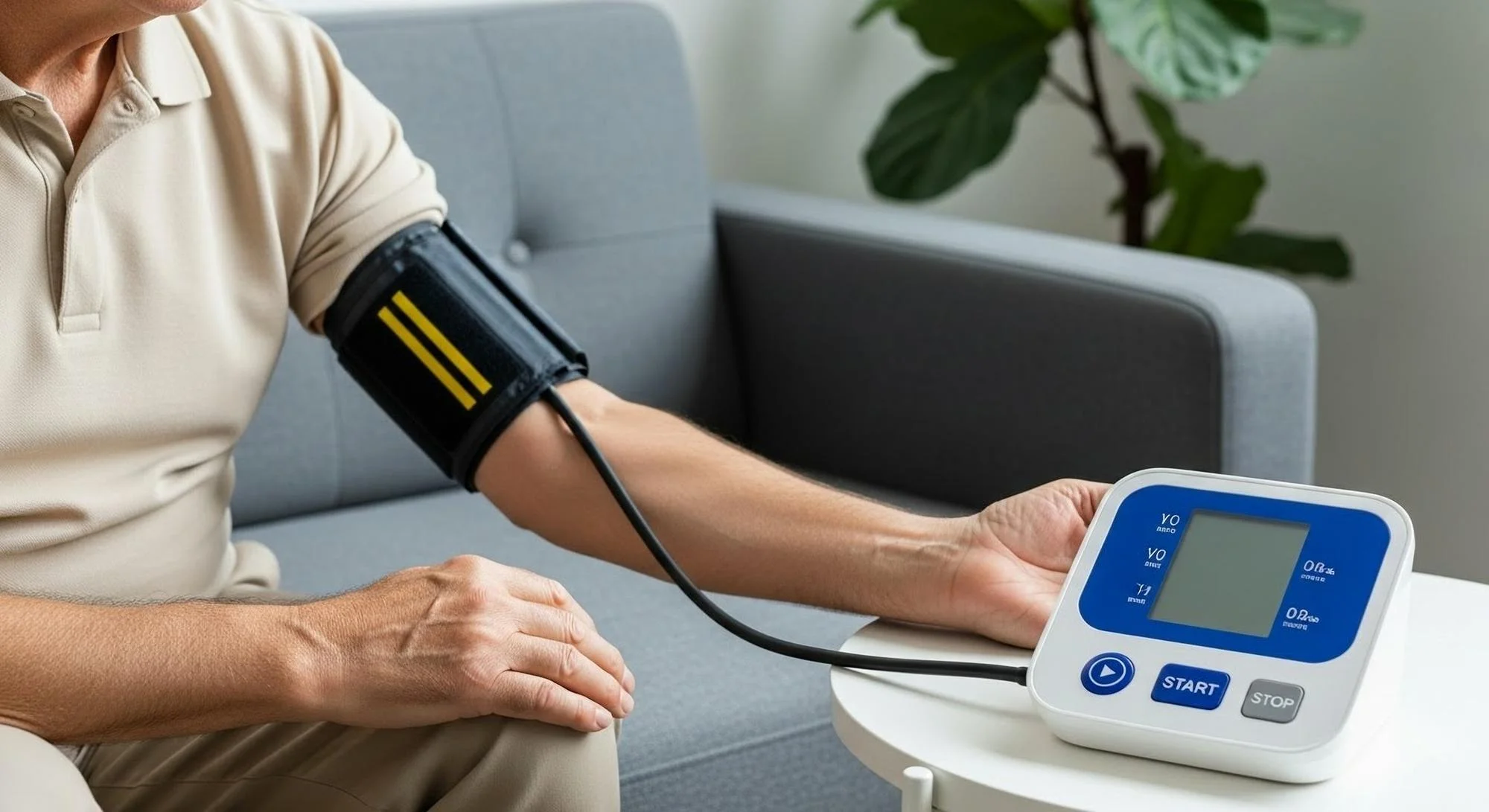
- Blood pressure monitoring: Regular readings, at home and in the clinic
- Urine test for protein: Albumin in the urine is one of the earliest signs of kidney strain
- Blood creatinine test: Shows how well the kidneys are filtering waste
- GFR (estimated glomerular filtration rate): A calculation that estimates kidney function
- Ultrasound of the kidneys: Checks the size and structure of the kidneys
People with high blood pressure should have these checks at least once a year, or more often if advised.
How Can You Protect Your Kidneys?
The good news is that kidney damage can often be slowed or even prevented when blood pressure is kept under control.
Take Medicines Regularly
Do not skip or stop blood pressure tablets because you feel fine. Some medicines, such as ACE inhibitors and ARBs, also give added protection to the kidneys. Your doctor will choose what suits you best.
Reduce Salt Intake
Too much salt raises blood pressure and strains the kidneys. Cut back on pickles, papads, chips, packaged snacks and processed food. Try to keep total salt intake low and flavour food with herbs and spices instead.
Eat a Kidney-Friendly Diet
- Include plenty of fruit and vegetables, unless your doctor has asked you to limit certain ones
- Choose whole grains over refined foods
- Avoid excess red meat and fried food
- Drink enough water, following your doctor's advice if you already have kidney problems
Stay Active and Maintain a Healthy Weight
Aim for at least 30 minutes of walking or similar exercise on most days. Even a modest weight loss can bring blood pressure down.
Quit Smoking and Limit Alcohol
Both raise blood pressure and speed up kidney damage.
Be Careful with Painkillers
Common pain relievers such as NSAIDs can harm the kidneys when used often or in high doses. Always check with a doctor before using them for long periods.
Control Blood Sugar and Cholesterol
If you have diabetes or high cholesterol, keeping them in range protects your blood vessels and kidneys.
What If Kidney Damage Has Already Begun?
Early-stage kidney disease can be managed well. Treatment focuses on controlling blood pressure, adjusting medicines, guiding your diet and monitoring your kidney function at regular intervals. In advanced cases, a kidney specialist may discuss dialysis or a transplant, but proper care at an early stage can often delay or avoid the need for these.
When Should You See a doctor?
Seek medical advice without delay if you notice:
- Swelling in the legs or face
- Foamy urine or a change in urine pattern
- Blood pressure readings that stay high
- Constant tiredness with no clear reason
- A family history of kidney disease along with high blood pressure
Conclusion
Healthy blood pressure means healthy kidneys, so keep a regular check and never ignore the numbers. For expert care and guidance, consult the specialists at Jyothi Hospital.