
Early Signs of a Stroke: How to Recognize the Warning Signs and Act Quickly
A stroke can strike without warning, and every minute counts. Many people lose precious time because they do not realise what is happening or hope the symptoms will pass. Knowing the early signs of a stroke can help you or your family member reach treatment sooner, and that can make a big difference to recovery.
Here is a simple guide to the warning signs, what to do and how to lower your risk.
What Is a Stroke?
A stroke happens when blood supply to a part of the brain is blocked or when a blood vessel in the brain bursts. Brain cells begin to die within minutes because they do not get oxygen. There are two main types:
- Ischaemic stroke: A clot blocks a blood vessel in the brain. This is the most common type
- Haemorrhagic stroke: A weak blood vessel bursts and causes bleeding in or around the brain
Both are medical emergencies and need immediate care.
Why Speed Matters So Much
Doctors often say, "time is brain." The faster treatment begins, the more brain tissue can be saved. Clot-dissolving treatment and other procedures work best within the first few hours after symptoms start. Waiting at home, sleeping it off or trying home remedies can lead to lasting disability.
The FAST Check: An Easy Way to Spot a Stroke
FAST is a simple method that anyone can remember and use.
- F for Face: Ask the person to smile. Does one side of the face droop?
- A for Arms: Ask them to raise both arms. Does one arm drift down or feel weak?
- S for Speech: Ask them to repeat a simple sentence. Is the speech slurred, strange or hard to understand?
- T for Time: If you see any of these signs, call for emergency help straight away
Other Warning Signs to Watch For
Not every stroke looks the same. Some people show other symptoms, and these can appear suddenly:
- Sudden numbness or weakness in the face, arm or leg, usually on one side
- Sudden confusion or trouble understanding what others are saying
- Sudden blurred vision or loss of vision in one or both eyes
- Sudden trouble walking, dizziness or loss of balance
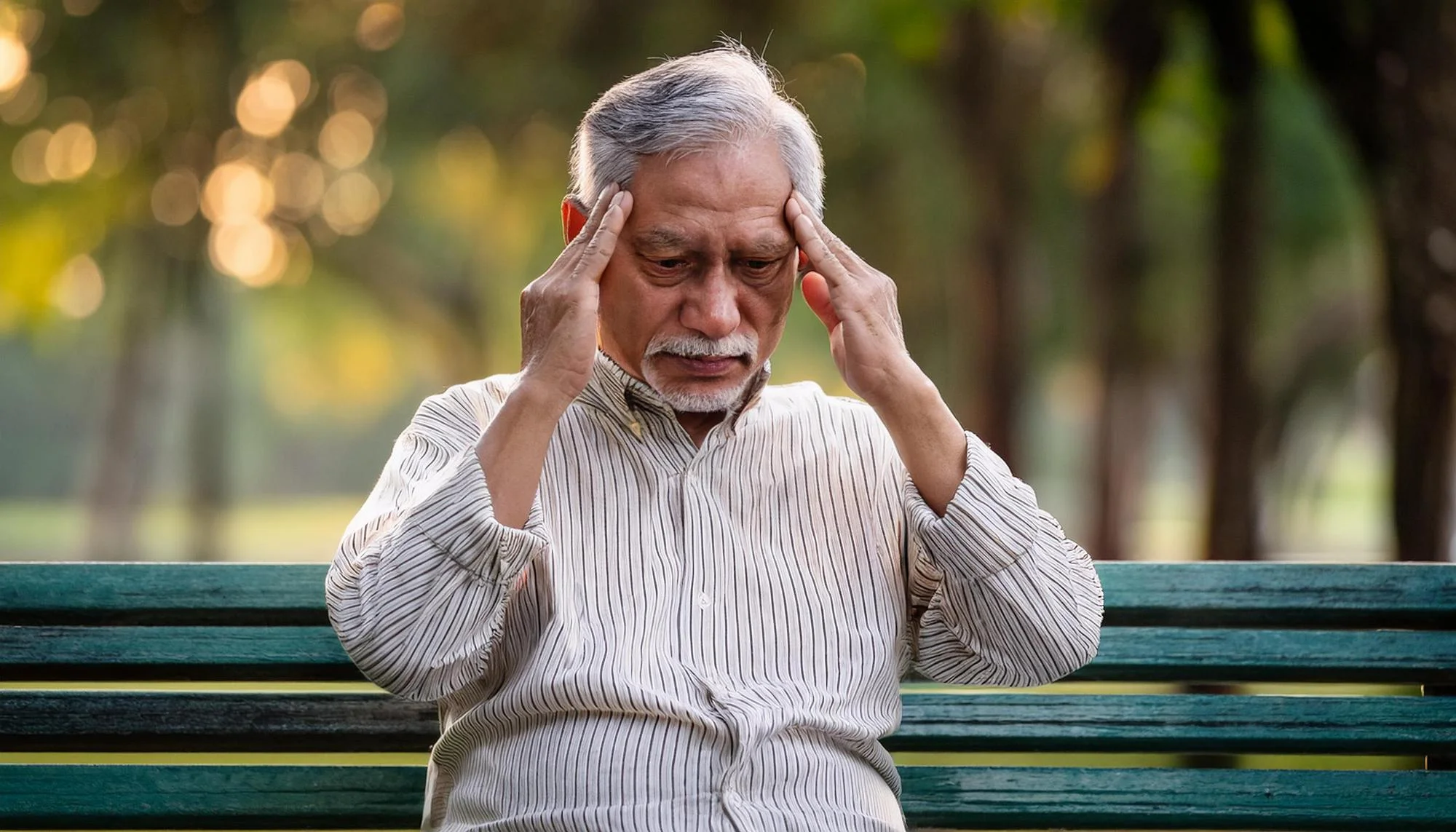
- A severe headache that comes on without any known cause
- Difficulty swallowing
The word to remember is "sudden." A symptom that comes on quickly and without explanation should always be taken seriously.
What Is a Mini Stroke?
A transient ischaemic attack (TIA), often called a mini stroke, causes the same symptoms as a stroke but they last only a few minutes to a few hours and then disappear. Many people ignore it because they feel normal again.
This is a mistake. A TIA is a strong warning that a full stroke may follow, sometimes within days. Anyone who has had such an episode should see a doctor on the same day.
What to Do If You Suspect a Stroke
Act quickly and stay calm. These steps can help:
- Call an ambulance or emergency helpline immediately, such as 108 in India
- Note the exact time the symptoms started, as doctors need this to decide on treatment
- Help the person lie down in a comfortable position with the head slightly raised
- Loosen tight clothing
- Stay with them and keep talking to them
- Go to a hospital that has round the clock emergency and stroke care
What You Should Not Do
Some common reactions can cause harm or delay care:
- Do not wait to see if the symptoms go away
- Do not give food, water or tablets by mouth, as swallowing may be affected
- Do not give any medicine on your own unless a doctor has advised it
- Do not drive the person yourself if an ambulance can reach you quickly
- Do not rely on home remedies, massage or herbal treatments
Who Is at Higher Risk?
Some people have a greater chance of a stroke, and awareness helps them stay alert. Risk factors include:
- High blood pressure, which is the biggest single risk factor
- Diabetes
- High cholesterol
- Heart conditions, especially an irregular heartbeat
- Smoking and tobacco use
- Excess alcohol
- Obesity and a lack of physical activity
- A family history of stroke
- Age above 55, although younger people can be affected too
How Is a Stroke Diagnosed and Treated?
Once a person reaches the hospital, doctors act fast. A quick examination is followed by a CT or MRI scan of the brain to find out the type of stroke. Blood tests and heart checks are also done.
Treatment depends on the type:
- Ischaemic stroke may be treated with clot-dissolving medicines or a procedure to remove the clot
- Haemorrhagic stroke may need medicines to control bleeding and pressure, and in some cases surgery
- Further care in the hospital helps prevent complications
After the emergency phase, rehabilitation plays an important part. Physiotherapy, speech therapy and occupational therapy help patients regain movement, speech and daily independence.
How to Lower Your Risk of a Stroke
Most strokes can be prevented with healthy habits and regular check-ups.
- Check your blood pressure regularly and keep it under control
- Manage blood sugar if you have diabetes
- Eat a balanced diet with plenty of fruit, vegetables and whole grains
- Cut down on salt, oily and processed food
- Exercise for at least 30 minutes on most days
- Quit smoking and avoid tobacco
- Limit alcohol
- Maintain a healthy weight
- Take prescribed medicines regularly and do not stop them without advice
Teach Your Family the Signs
A stroke patient often cannot ask for help, so the people around them must act. Share the FAST check with your family, neighbours and colleagues. Keep emergency numbers saved on your phone and know the nearest hospital with emergency care.
Conclusion
When a stroke strikes, every minute decides how much can be saved. If you notice any warning sign, do not wait. Head straight to Jyoti Hospital