

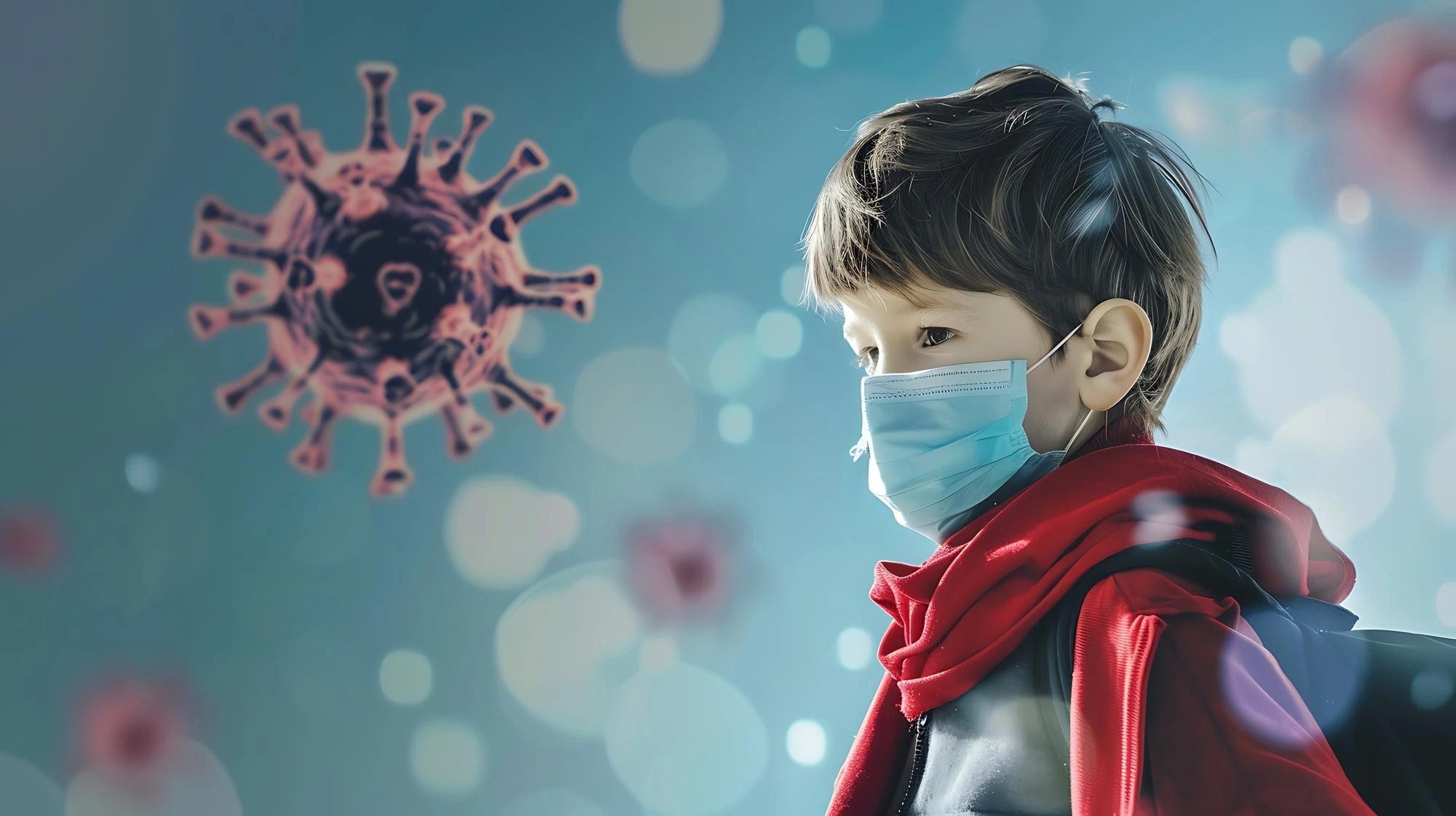
Common Childhood Infections and How to Prevent Them
Parents often come to the hospital worried about a fever that started suddenly or a cough that won’t settle. Most of these children have common infections that are part of early childhood, and yet every episode feels new and frightening for a parent. In the pediatric department, we see this every day. A child who was laughing in the morning may develop a temperature by afternoon. It happens more often than people realize because a child’s immune system is still learning how to protect the body.
When we look at outpatient data across India, a large portion of visits involve infection-related symptoms. Respiratory complaints, loose stools, throat infections, rashes these are the familiar patterns. Children in preschool and primary school pick up illnesses easily because they share toys, touch everything around them and forget to wash their hands. What matters is recognising when the illness is just a passing infection and when it needs closer attention.
What We Commonly See in Children
Respiratory infections:
These come in waves, especially when schools reopen or during a change in weather. Most children begin with a cold runny nose, sneezing or a mild cough. Many parents notice that the child eats less when they have a cold. This is normal. What is not normal is a child breathing fast, struggling to feed, or waking up repeatedly at night because they cannot breathe comfortably. These are the signs that need medical review.
I often tell parents that a cold should slowly improve by the third or fourth day. If the fever climbs again or the cough gets heavier, the infection may have moved deeper. Children cannot always describe their discomfort, so watch their behaviour. A quiet, unusually tired child is giving you more information than the thermometer.
Ear and throat infections:
Infants and toddlers often pull at their ears when they are uncomfortable. Some cry when lying flat because the pressure in the ear changes. These are small clues. Throat infections show up with refusal to swallow food, crying while eating, or drooling in younger children. Viral infections settle on their own, but bacterial infections need treatment before they cause complications. A swollen neck gland or persistent high fever should prompt a visit to the doctor.
Stomach infections:
Stomach infections can unsettle a child quickly. Vomiting and loose stools are common in young children and can lead to dehydration faster than parents expect. A child who stops urinating regularly or has dry lips is already losing fluids. This is where parents need to act early. We often see children brought in after twelve or twenty-four hours of vomiting, and the effort of rehydration becomes much harder. With timely care, most stomach infections settle well.
Skin infections:
Children are constantly playing on the floor, touching pets, sharing objects and scratching small insect bites. Their skin reacts quickly. Red patches, small boils or ring-shaped rashes are all common. The worry begins when the rash spreads rapidly, becomes painful, or appears with fever. Some rashes are harmless; others signal underlying infections. Parents should bring the child in when the rash grows or if the child seems unwell along with it.
Seasonal fevers:
Every season brings its set of viral fevers. High temperature, body pain and loss of appetite are familiar symptoms. Many parents focus on the number on the thermometer, but the child’s alertness matters more. A child who sips fluids, makes eye contact and responds normally is usually coping. A child who becomes drowsy, refuses all fluids or complains of severe headache needs immediate evaluation.
How These Infections Spread
Children explore the world with their hands and mouths. They touch surfaces in schools, playgrounds, buses and homes. They rub their nose and eyes often. This makes them perfect carriers for germs.
Most infections spread through sneezing or coughing droplets, shared toys, contaminated water or food, and unwashed hands. Families with more than one child know how quickly one illness becomes everyone’s problem. That is the nature of childhood infections they move fast.
Can We Prevent Them
We cannot prevent every infection, but we can reduce the frequency and severity. The first line of defence is vaccination. Many serious infections that once caused major illness in children have become rare because of routine immunisation. Staying up to date with vaccines protects not only the child but the entire family.
Hand hygiene makes a bigger difference than most people think. A child who washes hands before eating and after using the restroom avoids many gastrointestinal and respiratory infections. Younger children need reminders and supervision.
Nutrition matters as well. A balanced diet with enough fruits, vegetables, proteins and adequate fluids supports immunity. Children who skip meals or rely heavily on processed foods fall sick more often. Sleep plays an equally important role. A child who sleeps well fights infections better and recovers faster.
Keeping the home and school environment clean helps too. Toys, water bottles and commonly touched surfaces should be cleaned regularly.
When to Seek Medical Care
Parents know their children best. If a child seems “not themselves,” even in the absence of strong symptoms, it may be the body’s first sign of infection. A child who stops playing, loses appetite, becomes irritable, or withdraws often needs medical attention.
Sudden high fever, breathing difficulty, rashes with fever, dehydration, altered behavior, or pain that does not settle are clear reasons to visit a pediatrician. Early evaluation helps prevent complications and reduces recovery time.
Care at Jyoti Multispeciality Hospital
In our pediatric department, we focus on understanding the complete picture. Every child brings a different medical history, environment and response to infections. We examine carefully, review patterns, assess hydration, growth and nutrition, and then guide families on what to do next. Most childhood infections recover well with timely treatment, correct information and reassurance to parents.
Conclusion
Childhood infections are part of growing up, but early recognition and proper care make all the difference. A fever or cough may seem simple, yet understanding what lies beneath helps protect your child’s long-term health. Prevention through hygiene, nutrition and vaccination keeps many illnesses away.
If your child is experiencing frequent infections or symptoms that do not fit their usual pattern, the pediatric team at Jyoti Multispeciality Hospital is here to help. Schedule a consultation and let us partner with you in ensuring your child’s healthy, confident growth.